Article Summary
1. Understanding the URA Bill 2025
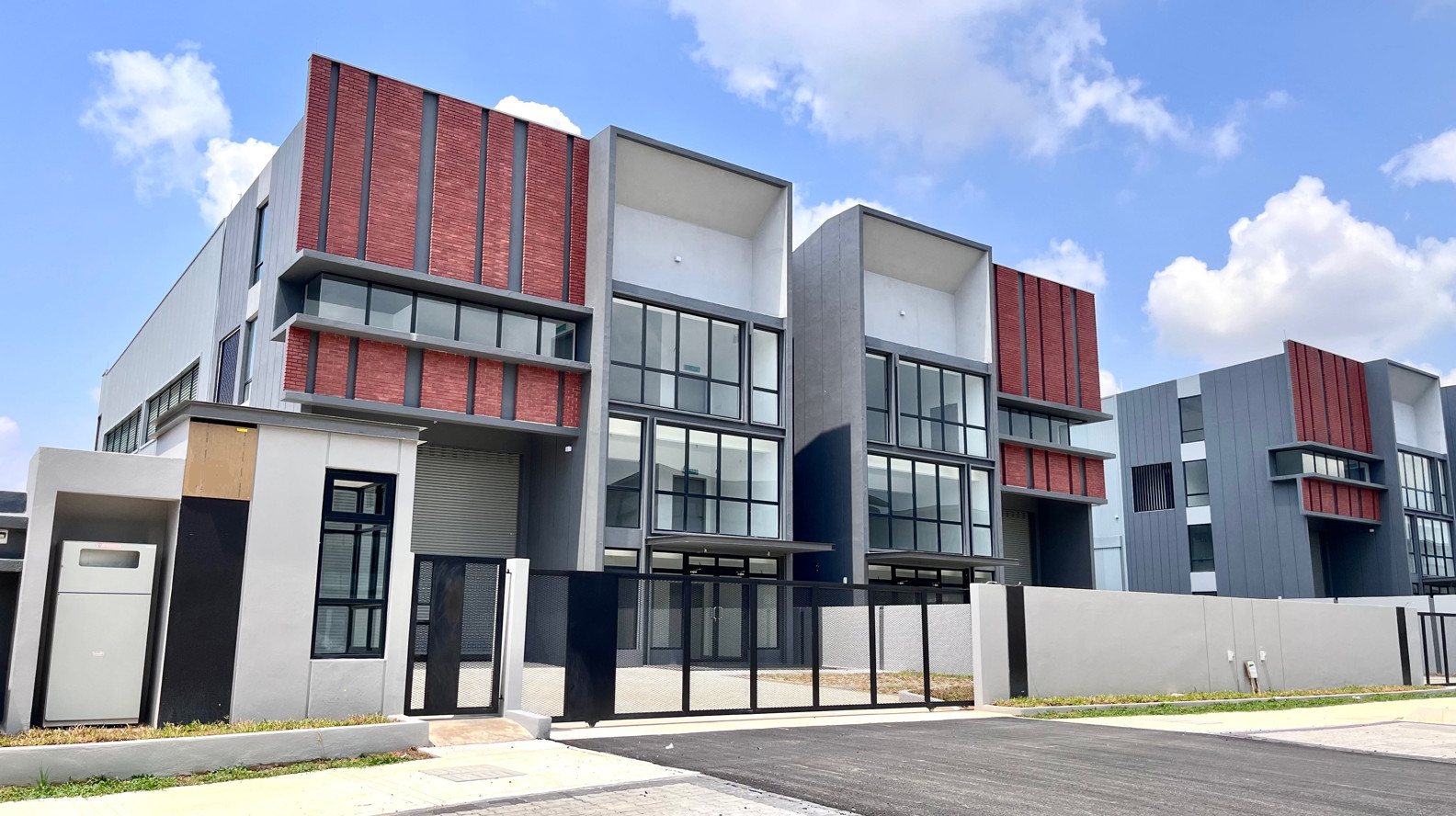
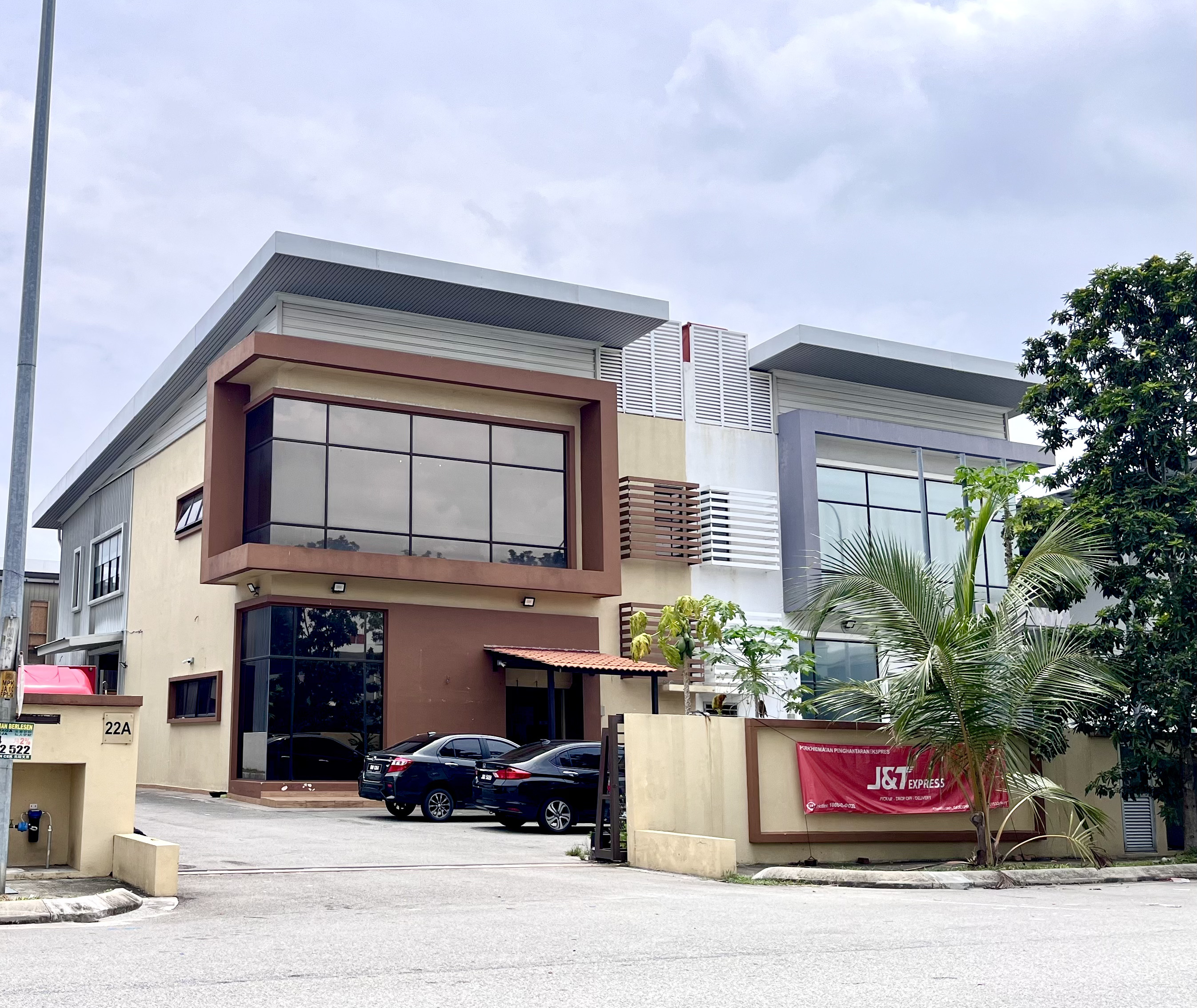
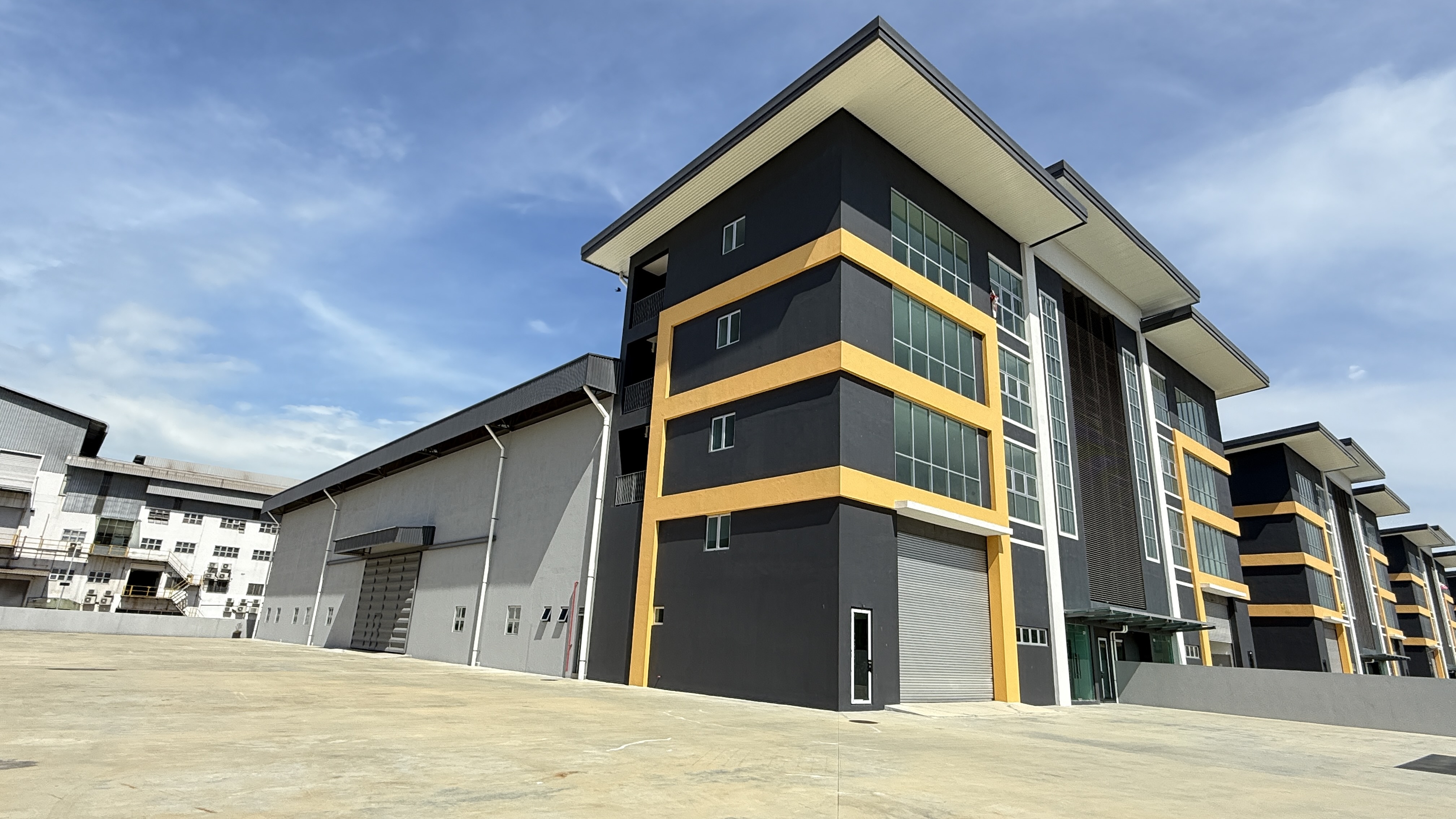
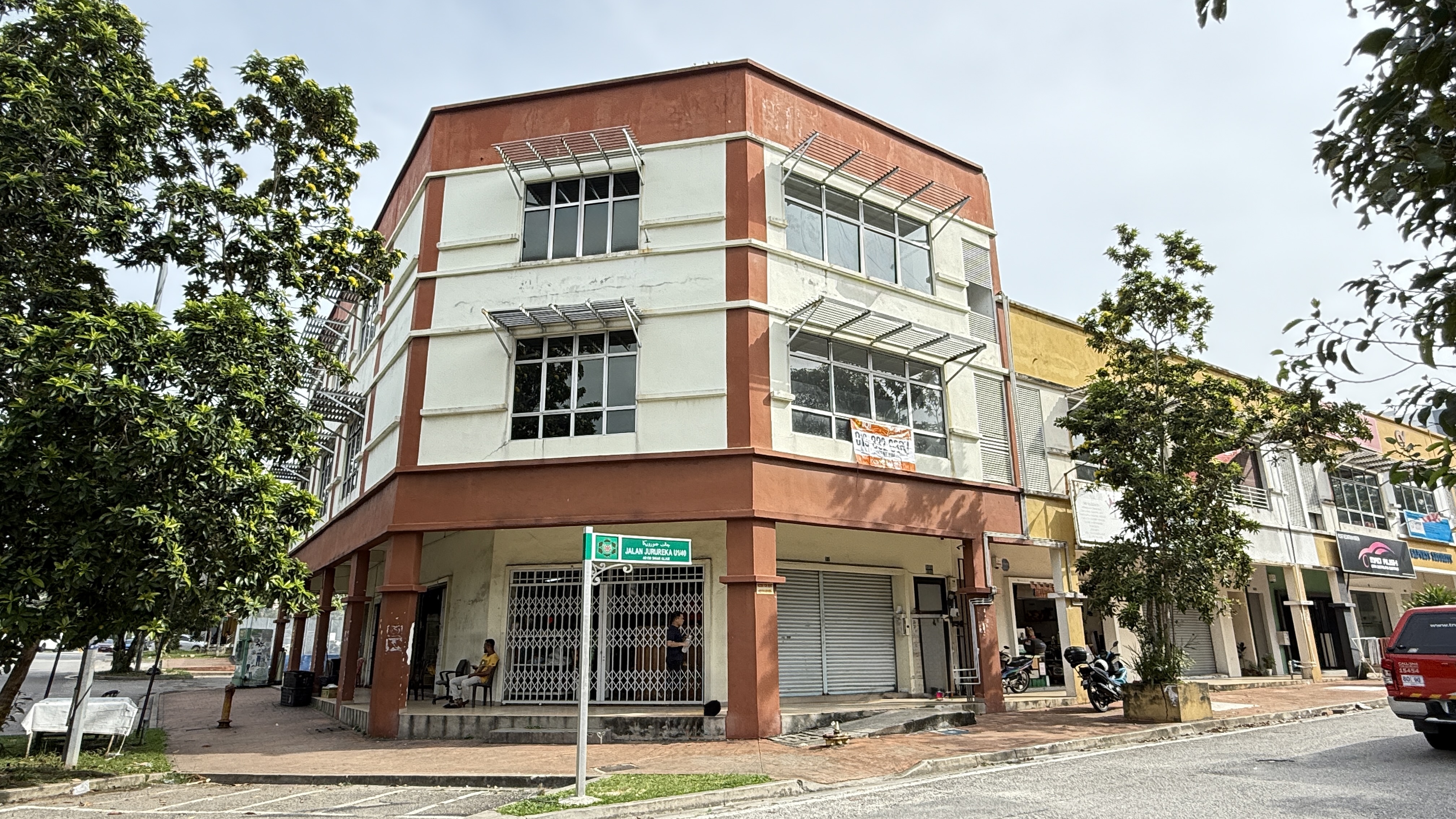
The proposed URA Bill 2025 aims to accelerate urban renewal in Malaysia. While urban development is necessary, the Bill introduces measures that may impact property owners significantly. It is area-based, not property-type-based, meaning any property within designated zones — from landed homes to factories and shoplots — could be affected.
Key takeaway: Even freehold or newly renovated properties may fall under this Bill, so assuming immunity is risky.
2. The 30-Year Age Benchmark: Why Age Doesn’t Equal Obsolescence
A major trigger for redevelopment is properties 30 years or older. However:
- Reinforced concrete structures often last 70–80 years.
- Housing loans in Malaysia can extend up to 35 years.
Many owners may still be repaying mortgages when their properties are targeted. Property condition, maintenance, and functionality matter more than age.
3. Majority-Consent Mechanism and Ownership Risks
The most critical change is the majority-consent requirement:
- Redevelopment can proceed with 75–80% owner agreement.
- Minority owners may be forced to vacate under the Land Acquisition Act 1960.
This represents a structural shift in Malaysia’s property rights landscape. Freehold status no longer guarantees immunity, and minority objections may carry limited legal weight.
4. Unclear Consent and Valuation Processes
The Bill does not clearly define how owner consent will be calculated:
- One unit, one vote?
- Based on land area or share?
This ambiguity complicates decision-making, raises valuation fairness concerns, and may distort the market. Property owners must track developments carefully to understand their influence and rights.
5. Developers as “Interested Persons”
The Bill allows developers and trustees significant influence in redevelopment decisions. While urban renewal aims to serve public interest, commercial motives may dominate in high-value areas, potentially affecting fair treatment of property owners.
6. Steps for Property Owners to Stay Informed
To stay aware and protect property rights:
- Understand your property: age, zoning, and surrounding redevelopment trends.
- Strengthen owners’ associations: collective awareness increases influence.
- Keep maintenance records and valuations updated: evidence of property condition and value is key.
- Avoid assumptions: landed or freehold status does not automatically protect your rights.
Early awareness creates options; late reaction limits them.
7. Balancing Urban Renewal and Property Rights
Urban renewal is important for city growth, but property rights must be respected. Key principles include:
- Transparent consent mechanisms
- Fair and forward-looking property valuations
- Engagement with property owners in decision-making
The goal is not to stop progress, but to ensure redevelopment occurs with informed awareness, not at the expense of owners’ rights.
Conclusion
The URA Bill 2025 is more than a planning policy — it is a property rights issue. For landed, commercial, and industrial property owners in Malaysia, staying informed is critical. By understanding the Bill’s mechanisms, owners can protect their property interests and participate knowledgeably in urban renewal discussions.
Stay informed and share this article to help Malaysian property owners understand their rights under the URA Bill 2025. Knowledge is the first step toward protection.